

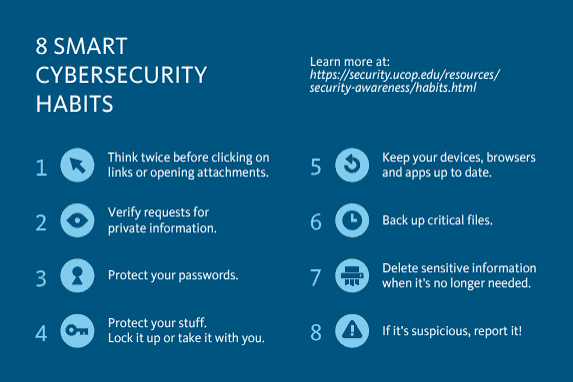
The internet has become an essential part of modern life, helping people communicate, shop, work, study, and entertain themselves with just a few clicks. Whether you are checking emails, browsing social media, or making online purchases, staying informed about digital safety and best practices is more important than ever. Reliable online platforms, such as qqmacan highlight how users can explore the web responsibly while enjoying its countless benefits. By following smart online habits, you can protect your personal information and enjoy a safer digital experience.
Understand the Importance of Strong Passwords
One of the most basic yet effective ways to stay secure online is by creating strong passwords. Many people continue using simple passwords such as birthdays, names, or common words, making it easier for cybercriminals to gain unauthorized access to their accounts.
A strong password should include a combination of uppercase and lowercase letters, numbers, and special characters. Avoid reusing the same password across multiple websites. Instead, create unique passwords for each account and consider using a password manager to store them securely.
Enable Two-Factor Authentication
Two-factor authentication (2FA) provides an additional layer of security beyond your password. Even if someone manages to steal your login credentials, they will still need the second verification step, usually a code sent to your phone or generated through an authentication app.
Many online services now offer 2FA, including email providers, banking websites, and social media platforms. Enabling this feature significantly reduces the risk of unauthorized access.
Be Careful with Public Wi-Fi
Public Wi-Fi networks in cafes, airports, hotels, and shopping malls are convenient, but they can also expose your personal information to hackers if not properly secured.
When using public Wi-Fi:
- Avoid accessing sensitive accounts such as online banking.
- Use a trusted Virtual Private Network (VPN).
- Turn off automatic Wi-Fi connections.
- Log out of important accounts after use.
These simple precautions help protect your personal data from interception.
Keep Software Updated
Software updates often include important security patches that fix vulnerabilities discovered by developers. Ignoring updates leaves your devices exposed to cyber threats.
Regularly update:
- Operating systems
- Web browsers
- Antivirus software
- Mobile applications
Enabling automatic updates ensures your devices receive security improvements as soon as they become available.
Recognize Phishing Attempts
Phishing remains one of the most common online scams. Cybercriminals create fake emails, websites, or messages that appear legitimate to trick users into revealing passwords, financial information, or personal details.
Watch for warning signs such as:
- Poor grammar and spelling
- Suspicious links
- Requests for confidential information
- Unexpected attachments
- Urgent messages demanding immediate action
Always verify the sender before clicking any links or downloading files.
Shop Only on Secure Websites
Online shopping is convenient, but choosing trustworthy websites is essential.
Before making a purchase:
- Look for HTTPS in the website address.
- Check customer reviews.
- Verify contact information.
- Use secure payment methods.
- Avoid deals that seem too good to be true.
These practices reduce the chances of fraud and identity theft.
Protect Your Personal Information
Many websites request personal details during registration. While some information may be necessary, avoid sharing excessive personal data whenever possible.
Limit the information you post publicly on social media, including:
- Home address
- Phone number
- Birthdate
- Financial information
- Travel plans
The less personal information available online, the lower the risk of identity theft and targeted scams.
Think Before You Click
Not every link online is safe. Cybercriminals often disguise malicious websites as legitimate ones through emails, advertisements, or social media posts.
Before clicking:
- Hover over links to preview the destination.
- Check the website address carefully.
- Avoid shortened URLs from unknown sources.
- Ignore suspicious pop-up advertisements.
A few seconds of caution can prevent malware infections and data theft.
Use Reliable Antivirus Protection
Antivirus software helps detect and remove malicious programs before they can damage your device or steal your information.
Choose a reputable antivirus program that provides:
- Real-time protection
- Automatic updates
- Malware detection
- Ransomware protection
- Safe browsing features
Regular scans help keep your devices secure against evolving cyber threats.
Backup Your Important Files
Data loss can happen due to hardware failure, accidental deletion, malware, or ransomware attacks.
Create regular backups using:
- External hard drives
- Cloud storage services
- Network-attached storage devices
Maintaining multiple backups ensures your important files remain accessible even if one storage method fails.
Practice Safe Social Media Habits
Social media platforms make it easy to connect with friends and family, but oversharing can create privacy risks.
To stay safer:
- Review privacy settings regularly.
- Accept friend requests only from people you know.
- Avoid sharing sensitive personal information.
- Be cautious when participating in online quizzes that collect personal data.
- Report suspicious accounts.
Managing your online presence carefully helps protect your identity.
Verify Information Before Sharing
False information spreads quickly across the internet. Before forwarding articles, videos, or social media posts, verify the information through reliable sources.
Sharing accurate information helps reduce misinformation and promotes responsible digital citizenship.
Monitor Your Online Accounts
Regularly reviewing your online accounts helps detect suspicious activity early.
Check for:
- Unknown login attempts
- Unauthorized purchases
- Password change notifications
- New device logins
- Unexpected account settings changes
If anything unusual appears, change your password immediately and contact the service provider.
Teach Digital Safety to Family Members
Online safety is everyone’s responsibility. Children and older adults are often targeted by online scams because they may be less familiar with cyber threats.
Discuss topics such as:
- Safe browsing
- Password security
- Scam awareness
- Privacy protection
- Responsible social media use
Creating awareness within your family builds safer online habits for everyone.
Manage Screen Time Wisely
While the internet provides endless opportunities, excessive screen time can negatively impact productivity, sleep, and mental well-being.
Consider:
- Taking regular breaks.
- Setting daily screen time limits.
- Spending time outdoors.
- Engaging in offline hobbies.
- Maintaining healthy work-life balance.
Responsible internet use includes balancing online and offline activities.
Stay Informed About New Cyber Threats
Technology evolves rapidly, and so do cyber threats. Staying informed about the latest scams, malware, and security practices helps you respond effectively to emerging risks.
Read trusted technology news, follow official cybersecurity organizations, and regularly educate yourself about online safety best practices.
Conclusion
The internet offers incredible opportunities for communication, learning, entertainment, and business. However, using it wisely requires awareness and good security habits. By creating strong passwords, enabling two-factor authentication, avoiding phishing scams, protecting personal information, updating software, and practicing safe browsing, everyday users can significantly reduce online risks. Smart online habits not only safeguard your personal information but also contribute to a more secure and enjoyable digital experience for everyone.