

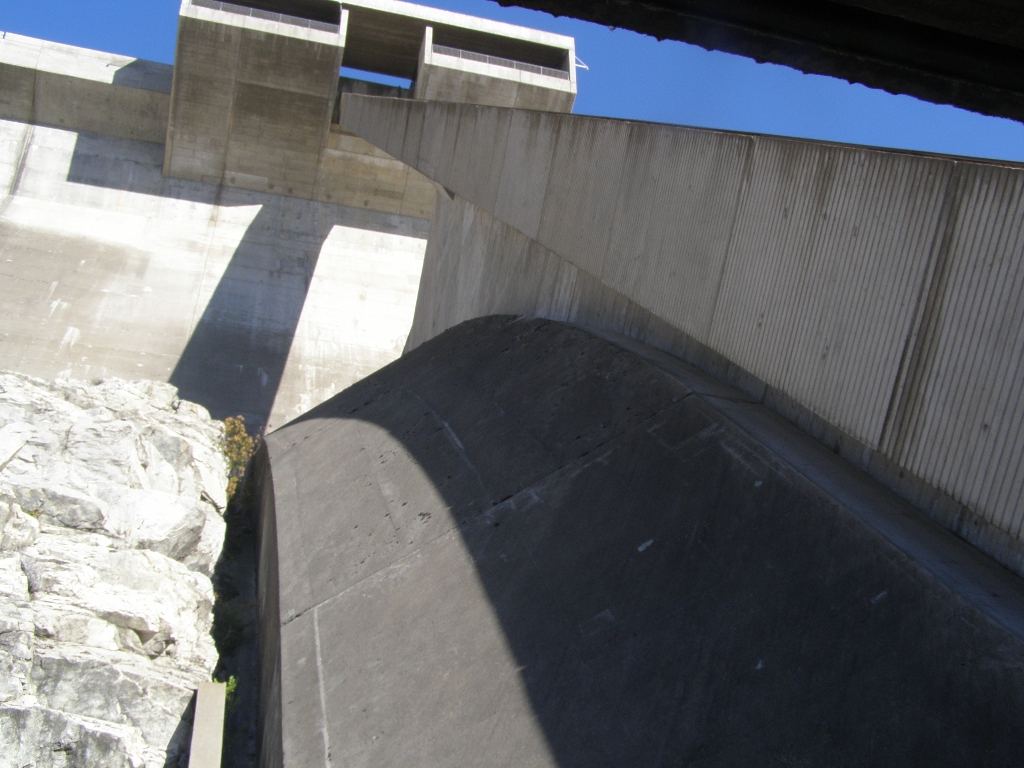
The largest dam removal in history finished on America’s Klamath River, and within a season, salmon were spawning in reaches they had not reached for a century. The Klamath is the emblem of a worldwide reassessment: thousands of ageing, silted, marginally useful dams are coming down across North America and Europe, and rivers are demonstrating how quickly they remember being rivers.
The science that built the consensus is fish arithmetic. Migratory species — salmon, trout, shad, eels — collapsed behind barriers that fragmented nearly every major river system. Where dams still earn their keep in power or flood control, they stay, ideally with passage systems; where a dam’s output is trivial and its ecological bill enormous, removal has become the rational option, argued in spreadsheets as much as in sentiment. Our outdoors and environment pages have followed the deconstruction crews as their order books fill.
What a Freed River Does
The recovery sequence is faster than sceptics predicted and slower than headlines suggest. Sediment flushes through in a muddy season or two; water temperatures re-pattern; fish explore upstream within months; and the food web — insects, birds, bears, orcas offshore — reorganises around the returning biomass. Rivers also resume delivering sediment to starving deltas and beaches, an unglamorous service with large climate value.
Opposition is real where reservoirs anchor local recreation, water supply or identity, and the honest projects spend years on those settlements. Removal is a tool, not a theology — the case is made river by river.
The Infrastructure Reckoning
Twentieth-century river engineering assumed permanence; its structures are now arriving at end-of-life simultaneously. Organisations such as American Rivers count removals in the thousands and describe the deeper shift: from conquering rivers to negotiating with them. The trout in the headwaters — fussy, temperature-sensitive, honest — are the auditors of that negotiation, and increasingly, they are reporting progress.
The engineering profession’s reversal is worth pausing on. The firms that spent the twentieth century building dams now maintain removal divisions; the craft knowledge — how to drain a reservoir without poisoning a valley with its own sediment, how to stage a river’s return — is a discipline being written in real time, project by project. Each removal adds to a shared evidence base that the next river’s argument will cite: costs, timelines, fish counts, flood behaviour. Opponents watch the same data, and some projects have genuinely been abandoned where the numbers failed — which is how a tool stays honest. The removals map of 2035 will not cover every dam, nor should it. It will cover the ones where the river’s arithmetic beat the reservoir’s — and the fish, indifferent to argument, will keep filing their own reports upstream.
Stand below a removed dam site in the second spring and the argument makes itself: the river is loud again with insects and birdsong, and the fish counters are posting numbers the old-timers describe with a shake of the head — the good kind, the kind that means they were wrong in the best direction.
