

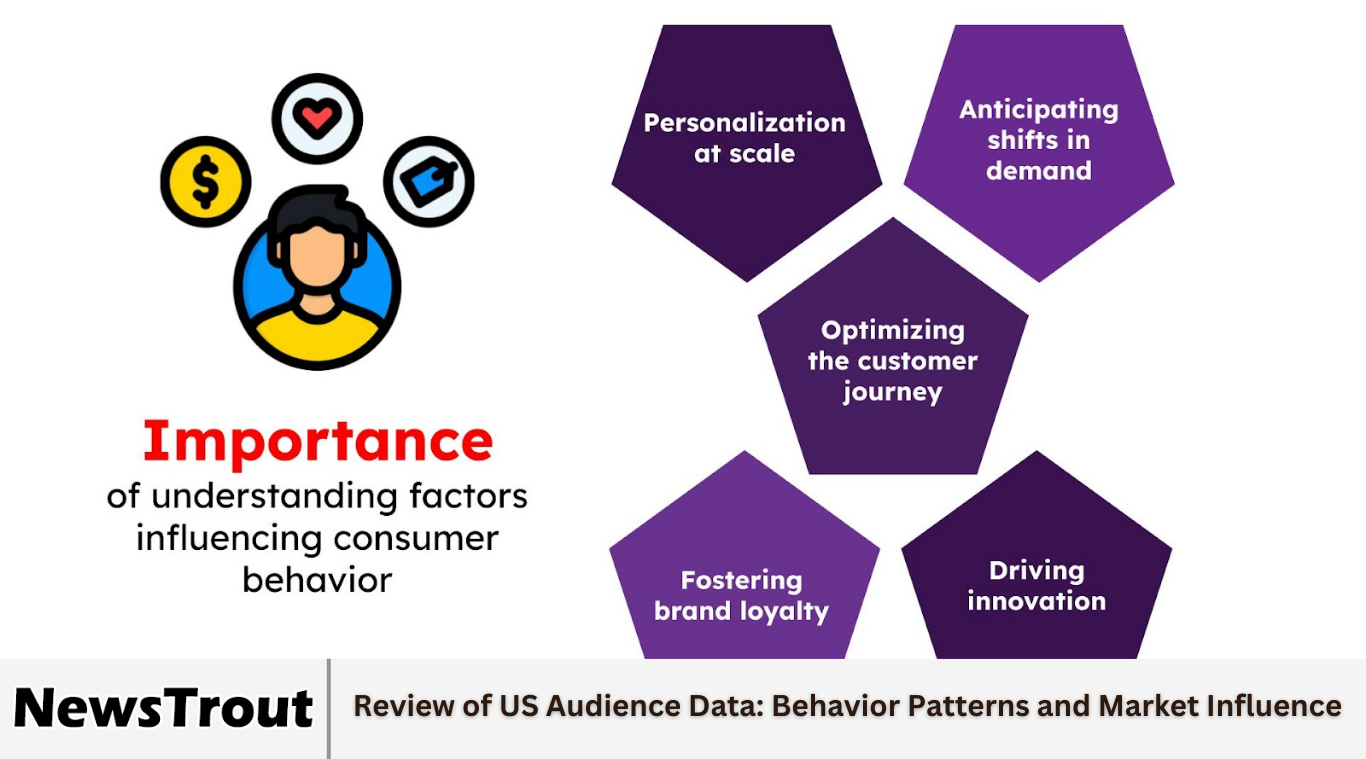
Understanding audience behavior and market trends is essential for businesses, marketers, and researchers seeking to make informed decisions. In the United States, audience data provides insights into consumer preferences, online habits, purchasing decisions, and media engagement. Analyzing this information helps companies target products effectively, shape marketing strategies, and predict market changes.
This article presents a detailed review of US audience data, examining behavior patterns, trends, and the overall market impact. Written in simple, clear English, it aims to provide readers with a clear understanding of how audience insights shape business decisions and influence consumer markets.
What Is US Audience Data
US audience data refers to collected information about individuals and groups in the United States, focusing on their demographics, behavior, preferences, and engagement across various platforms. This data can be gathered from online interactions, surveys, purchase history, media consumption, social media activity, and other sources.
The purpose of analyzing audience data is to understand patterns and trends that can influence marketing strategies, product development, and overall business growth. By studying behavior and preferences, companies can anticipate customer needs and respond effectively to changing market demands.
Purpose of Analyzing US Audience Data
Analyzing US audience data serves several purposes:
Understanding Consumer Behavior
Businesses gain insights into how consumers make decisions, what products or services they prefer, and which channels they engage with most.
Market Segmentation
Data helps identify different audience segments based on age, location, interests, and buying habits.
Trend Prediction
Analyzing historical and current data allows companies to predict emerging trends and adjust strategies accordingly.
Targeted Marketing
Insights enable businesses to design marketing campaigns tailored to specific audiences, increasing effectiveness and engagement.
Business Strategy
Audience data informs product development, pricing, distribution, and overall business planning.
Key Types of US Audience Data
There are several key types of data used to analyze US audiences:
Demographic Data
Includes age, gender, income level, education, occupation, and geographic location.
Behavioral Data
Tracks online and offline behavior, including browsing history, purchase patterns, app usage, and content engagement.
Psychographic Data
Focuses on interests, values, opinions, and lifestyle choices that influence decision-making.
Media Consumption Data
Shows how audiences interact with media, including television, radio, online streaming, and social media platforms.
Purchase Data
Includes purchase frequency, preferred products, spending habits, and brand loyalty.
Feedback and Survey Data
Collects opinions, preferences, and satisfaction levels directly from consumers.
Benefits of Understanding US Audience Data
Businesses and organizations gain multiple advantages from analyzing audience data:
Improved Marketing Strategies
Targeted campaigns lead to better engagement, higher conversion rates, and reduced marketing costs.
Enhanced Customer Experience
Understanding preferences allows businesses to provide personalized experiences that satisfy customer needs.
Informed Decision-Making
Data-driven insights support decisions related to product development, pricing, and expansion.
Competitive Advantage
Companies can anticipate market trends and adjust strategies faster than competitors.
Resource Optimization
Audience insights help allocate budgets, time, and resources more effectively.
Increased Revenue
Better targeting, personalization, and strategic decisions contribute to higher sales and profitability.
Behavior Patterns Observed in US Audiences
Several key behavior patterns have been identified in US audiences based on recent data analysis:
Digital Engagement
Consumers increasingly rely on digital channels for information, shopping, and entertainment. Online search, social media activity, and e-commerce have grown significantly in recent years.
Mobile Usage
Smartphones and mobile devices dominate internet usage, influencing how businesses design websites, apps, and marketing campaigns.
Content Preferences
Audiences prefer diverse content formats, including videos, podcasts, blogs, and interactive media. Short-form and visual content are particularly popular.
Social Media Influence
Social platforms shape purchasing decisions, brand perception, and trend adoption. Influencer recommendations have become a key factor in consumer behavior.
E-Commerce Growth
Online shopping continues to rise, with convenience, delivery speed, and personalized recommendations driving purchase decisions.
Brand Loyalty
While brand loyalty remains important, US audiences are more willing to explore new options, especially when presented with value or innovation.
Privacy Awareness
Consumers are increasingly aware of data privacy and security, influencing their engagement with digital platforms.
Sustainability Concerns
Environmental and ethical considerations impact purchasing decisions, particularly among younger demographics.
Market Impact of US Audience Behavior
The behavior of US audiences directly influences market dynamics in multiple ways:
Product Development
Companies develop products that align with consumer preferences and lifestyle trends.
Advertising and Marketing
Audience data informs targeted advertising, personalized messaging, and campaign optimization.
Retail and E-Commerce
Shifts in shopping behavior drive changes in store layouts, online platforms, and delivery options.
Media and Entertainment
Content production and distribution strategies adapt based on media consumption patterns and audience engagement.
Technology Adoption
Consumer demand influences the development of apps, devices, and digital services tailored to user needs.
Financial Markets
Trends in consumer spending can impact stock prices, investment decisions, and economic forecasts.
Policy and Regulation
Insights into audience behavior help policymakers understand public needs and preferences, shaping regulations and initiatives.
How Businesses Use US Audience Data
Businesses leverage audience data in several practical ways:
Targeted Advertising
Data allows companies to reach specific demographics with tailored messages for higher engagement.
Personalized Recommendations
E-commerce platforms use behavior data to suggest products and services relevant to individual users.
Market Research
Audience insights support product testing, surveys, and focus groups to refine offerings.
Content Strategy
Media and marketing teams create content that resonates with audience interests and consumption habits.
Trend Forecasting
Businesses predict emerging trends to innovate products and services ahead of competitors.
Customer Retention
Understanding behavior patterns helps build loyalty programs, improve satisfaction, and retain customers.
Limitations and Challenges of Audience Data Analysis
Despite its benefits, analyzing audience data presents certain challenges:
Data Accuracy
Incomplete or outdated data can lead to inaccurate insights and poor decisions.
Privacy Concerns
Strict regulations like GDPR and CCPA require careful handling of personal data.
Data Overload
Large volumes of information can be overwhelming without proper tools and analytics techniques.
Changing Behavior
Consumer preferences and behaviors evolve quickly, requiring continuous monitoring and adaptation.
Interpretation Complexity
Data requires expert analysis to draw meaningful insights and avoid misinterpretation.
Tools and Methods for Collecting US Audience Data
Various tools and methods are used to gather and analyze audience data:
Web Analytics
Platforms track website traffic, user behavior, and engagement metrics.
Social Media Analytics
Monitoring likes, shares, comments, and audience interactions across platforms.
Surveys and Polls
Direct feedback from consumers about preferences, satisfaction, and opinions.
Purchase and Transaction Data
Analyzing sales records, loyalty programs, and e-commerce data.
Customer Relationship Management (CRM) Systems
Centralized data on interactions, communications, and behavior with brands.
Big Data and AI
Advanced technologies identify patterns, trends, and predictive insights from large datasets.
Long-Term Importance of Understanding US Audience Data
Consistently analyzing audience data provides long-term benefits:
Sustainable Growth
Businesses can adapt strategies to meet evolving consumer needs over time.
Innovation
Understanding trends allows companies to innovate products, services, and marketing approaches.
Risk Management
Data insights help anticipate market shifts and reduce the impact of unexpected changes.
Consumer Trust
Respecting preferences and privacy strengthens customer relationships and brand loyalty.
Strategic Planning
Data-driven decisions support long-term business planning and market positioning.
Frequently Asked Questions
What is US audience data?
US audience data refers to information collected about individuals or groups in the United States, including demographics, behavior, preferences, and engagement patterns.
How is audience behavior analyzed?
Behavior is analyzed using digital analytics, surveys, transaction data, social media activity, and other data collection methods.
Why is audience data important for businesses?
It helps businesses understand consumers, target marketing, predict trends, improve products, and make data-driven decisions.
Can audience data predict market trends?
Yes, analyzing historical and current behavior allows companies to identify emerging trends and adjust strategies accordingly.
How do privacy regulations affect audience data?
Regulations like GDPR and CCPA require businesses to handle personal data responsibly, affecting how data is collected, stored, and used.
Conclusion
US audience data provides invaluable insights into consumer behavior, preferences, and market trends. By analyzing demographics, behavior patterns, media consumption, and purchasing habits, businesses and organizations can make informed decisions, target marketing effectively, and anticipate changes in the market.
While challenges such as data accuracy, privacy concerns, and evolving behavior exist, proper use of analytics tools, surveys, and reporting techniques ensures meaningful insights. Understanding US audiences not only improves business performance but also fosters innovation, customer satisfaction, and long-term growth.
In 2025 and beyond, leveraging audience data will remain a critical strategy for companies aiming to stay competitive, responsive, and aligned with consumer needs in an ever-changing market.