

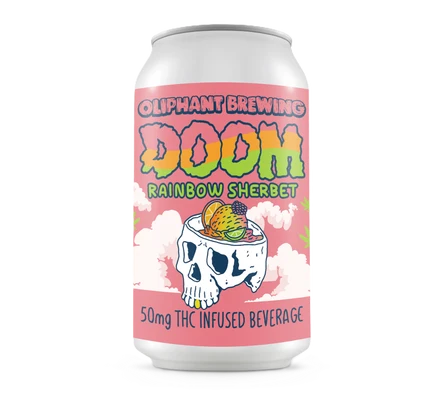
The beverage industry continues to introduce alternatives that combine familiar drink formats with different ingredients and flavour profiles. Cannabis-infused drinks are part of this development, attracting attention from adult consumers interested in understanding how cannabinoids are incorporated into beverages. A thc infused seltzer is one example, combining a sparkling water-style drink with tetrahydrocannabinol (THC). Its appeal lies in the familiar format, but understanding its ingredients, labelling, effects, and legal status is essential before considering any cannabis-infused beverage.
What Makes Cannabis Seltzers Different?
Traditional seltzer is carbonated water, sometimes containing natural flavours or other ingredients. Cannabis seltzers follow a similar beverage format but include THC as an active ingredient.
THC is the primary intoxicating compound found in cannabis. Unlike ordinary sparkling water, a beverage containing THC can produce psychoactive effects. The strength and duration of those effects depend on several factors, including the amount consumed, the formulation, individual tolerance, and metabolism.
Manufacturers may use different methods to incorporate cannabinoids into liquid products. Some formulations use emulsification technology to disperse oil-based cannabinoids throughout a water-based beverage. This can help create a more consistent mixture, although the actual performance depends on the formulation and manufacturing process.
The finished drink may resemble a conventional flavoured sparkling beverage, but its ingredients and effects make it a distinctly different product category.
Why the Beverage Format Attracts Attention
Cannabis has traditionally been associated with products such as dried flower, oils, and edible foods. Infused beverages introduce another format that resembles familiar packaged drinks.
Several characteristics contribute to consumer interest.
Familiar presentation: Carbonated beverages are widely recognised, and their packaging often resembles conventional canned drinks.
Flavour variety: Depending on the manufacturer, cannabis beverages may feature citrus, berry, tropical, or herbal flavour profiles.
Ingredient transparency: Product labels can provide information about THC content, serving size, flavouring agents, and other ingredients.
Portability: Canned beverages are packaged for convenient storage and transport, subject to applicable laws and age restrictions.
The drink format does not make THC harmless or eliminate the risks associated with cannabis consumption. Consumers should evaluate the active ingredient and its concentration rather than judging a product by its appearance.
How THC Is Incorporated into Sparkling Drinks
THC is naturally oil-soluble, while sparkling water is water-based. Combining the two requires a formulation process that allows the cannabinoid to disperse throughout the beverage.
Emulsification is one method used by manufacturers. It involves breaking an oil-based substance into smaller droplets and distributing them within another liquid. Certain formulations use very small droplets to improve dispersion and product consistency.
The technology used can influence the beverage’s appearance, stability, and physical characteristics. Manufacturers also need to consider how the formulation behaves during storage and whether the cannabinoid concentration remains consistent throughout the product’s shelf life.
However, claims about faster absorption or predictable effects should be evaluated carefully. Different formulations can behave differently, and laboratory findings do not necessarily establish identical experiences for every consumer.
Reading the Label Before Choosing a Beverage
Packaging can make a cannabis beverage look similar to an ordinary soft drink, so reading the label deserves particular attention.
The THC amount should be clearly distinguished from the total beverage volume. A label may state the cannabinoid quantity per container or per serving, and these figures should not be confused.
Other details worth reviewing include:
- THC concentration: The stated amount of THC in the serving and container.
- Additional cannabinoids: Whether CBD or other cannabinoids are included.
- Ingredients: Sweeteners, flavourings, preservatives, and other components.
- Testing information: Whether independent laboratory testing is available.
- Manufacturer details: Business information and product traceability.
- Storage instructions: Conditions recommended by the manufacturer.
A certificate of analysis, where available, can provide additional information about cannabinoid content and certain contaminants. It is useful to check that the report corresponds to the specific product and batch.
The Role of Brands in Beverage Development
Brand identity, product formulation, and manufacturing standards all influence how cannabis beverages are presented to consumers. Some businesses focus on flavour development, while others place greater emphasis on cannabinoid formulation, packaging, and product consistency.
Oliphant Brewing is associated with the beverage space. Its mention also illustrates why consumers should distinguish between a company’s broader brand identity and the specifications of an individual product. A brand name alone does not establish THC concentration, product composition, or regulatory compliance.
For any cannabis beverage, the actual packaging and available laboratory documentation provide more useful information than general promotional descriptions. Consumers should also check whether a product is legally available in their jurisdiction.
Are These Drinks Suitable for Every Occasion?
Cannabis beverages should not be treated like ordinary sparkling water or soft drinks. THC can affect coordination, judgement, memory, reaction time, and perception.
The onset and duration of effects may vary according to the formulation and the individual. Consuming additional amounts because the initial effects are not immediately noticeable can lead to unwanted intoxication.
The CDC warns that cannabis consumption can cause adverse effects, including anxiety, confusion, impaired coordination, and increased heart rate. Alcohol and other intoxicating substances can introduce additional risks when used alongside cannabis.
Cannabis products should not be consumed before driving, operating machinery, or undertaking activities that require alertness. They should also be stored securely away from children and pets.
Pregnant or breastfeeding individuals should avoid cannabis use. People taking medication or managing health concerns should consult an appropriate healthcare professional about potential risks and interactions.
Legal Requirements and Responsible Purchasing
Cannabis regulations differ between countries, states, and local jurisdictions. Rules may cover THC limits, product manufacturing, packaging, advertising, minimum purchasing age, and retail distribution.
A product that is legally sold in one location may be prohibited in another. Travelling with cannabis-infused beverages across state or international borders can also create legal complications, even when possession is permitted at the point of departure.
Consumers should consult official regulatory resources before purchasing or transporting these products. Retailers should also provide clear product information and follow applicable licensing, testing, and packaging requirements.
Responsible purchasing involves more than comparing flavours or packaging designs. Verifying the manufacturer’s credentials, checking the cannabinoid content, and understanding local restrictions can help prevent avoidable problems.
What the Future May Hold for Cannabis Beverages
Beverage formulation continues to develop as manufacturers investigate flavour combinations, cannabinoid dispersion, packaging formats, and product stability. Improvements in testing and manufacturing controls may also help provide clearer information about product composition.
Consumer expectations are likely to place continued attention on transparent labelling, consistent formulations, and responsible marketing. Products that resemble everyday refreshments still require clear distinctions from non-intoxicating drinks.
For anyone researching cannabis beverages, understanding the science behind the formulation and the regulations governing their sale provides a more informed starting point. Contact us today to discuss cannabis beverage information, product details, and available resources. A careful approach to product evaluation helps ensure that appearance and marketing claims never replace accurate ingredient information and responsible decision-making.
