

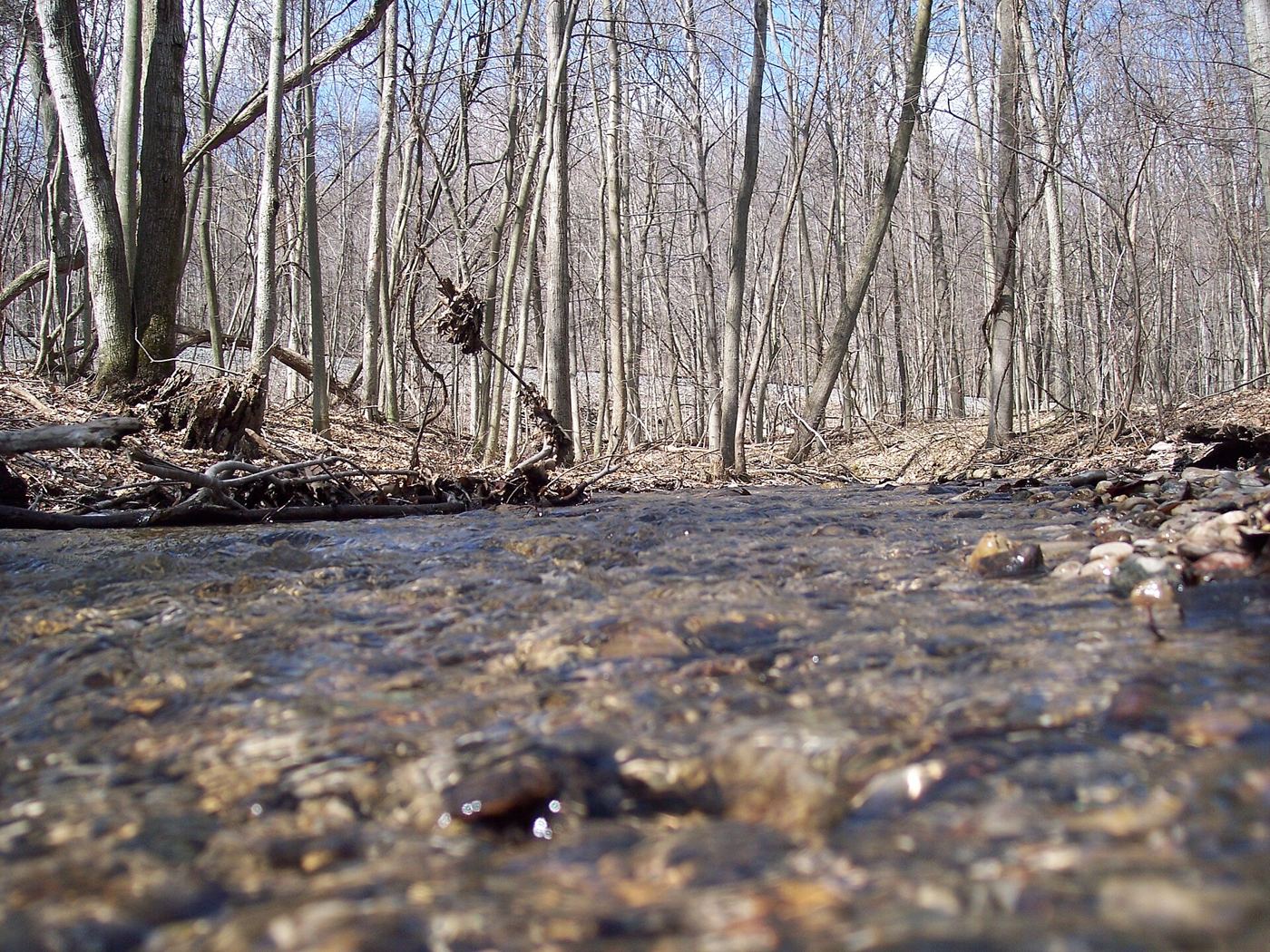
For a century, the world’s rivers were engineered into submission: dammed for power, straightened for shipping, drained of their wetlands and treated as plumbing. Now a restoration movement is reversing parts of that legacy with striking results. Obsolete dams are being removed at record pace, floodplains are being reconnected, and in river after river the response of wildlife has been swift — fish returning to reaches they had not spawned in for generations, birds recolonising restored marshes, water quality improving downstream.
What Happens When a Dam Comes Down
Many dams slated for removal generate little power, block fish migration and trap sediment that downstream habitats need. Studies covered by Nature describe rivers reorganising themselves with surprising speed after removal: channels carve natural forms, temperatures normalise, and migratory species such as salmon, shad and eels reappear within seasons. Trout, which need cold, oxygen-rich, connected water, serve as sensitive indicators — where they thrive again, the whole system is usually healing.
Our science coverage follows restoration’s less visible tools as well: re-meandering straightened channels, planting bankside trees for shade, and rebuilding wetlands that filter farm runoff before it reaches the main river. Each intervention compounds the others, because a river is not a channel but a system — groundwater, floodplain, tributaries and estuary behaving as one organism.
Flood Protection That Works With Water
Restoration increasingly wins support for a pragmatic reason: it manages floods better than concrete alone. Reconnected floodplains and wetlands absorb peak flows, slow water and release it gradually, protecting towns downstream while recharging aquifers for drought seasons. Infrastructure analyses shared by World Economic Forum contributors describe this ‘room for the river’ approach as cheaper over decades than endlessly raising levees that, when they fail, fail catastrophically.
Challenges persist — contaminated sediments behind old dams, invasive species exploiting new connections, and water rights negotiated in a different era. But the direction of evidence is consistent and hopeful: rivers retain an astonishing capacity to recover when given space and connection. In an environmental era short on good news, the sound of water running free again, full of fish, counts as both.
The obstacles deserve honesty, because restoration’s credibility depends on it. Sediment trapped behind old dams can carry industrial contaminants that must be managed carefully during removal, and some structures still provide irrigation, flood control or beloved flatwater recreation that communities reasonably defend. The movement’s maturation shows in its selectivity: engineers now assess each dam’s services against its harms, sometimes choosing fish passage and modernisation over removal. The goal was never an ideology of demolition — it is living rivers, achieved structure by structure, with local consent and long-term monitoring to prove the promised fish actually come back.
Citizen science plays an outsized role in river recovery, with anglers, kayakers and school groups monitoring water quality and species returns year after year. Their data fills gaps official surveys cannot cover and builds the local constituency that defends restored rivers politically. A river with a thousand watchful neighbours has protectors no budget line can buy.
